Angeliska & Amelia & Vintage Vivant
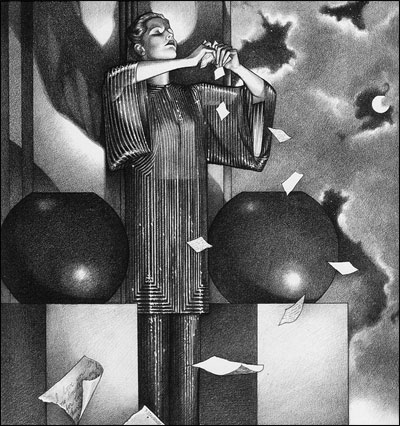
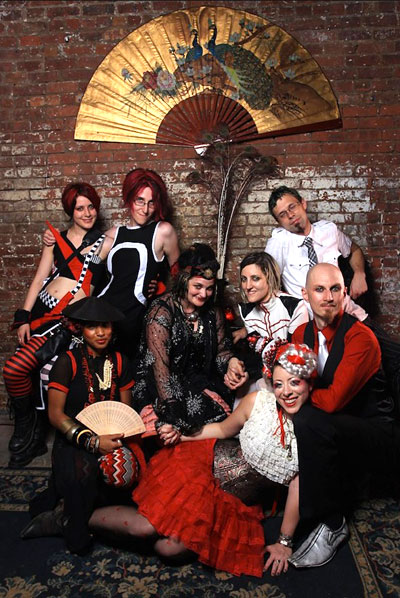
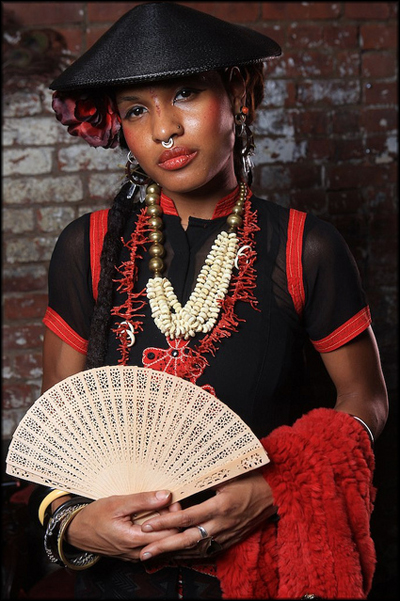
HUGE congratulations to our darling, dollfaced Angeliska Polacheck! She and her consummately scrumptious partner-in-parties, Amelia Foxtrot, are gracing the cover of the current Austin Chronicle, representing their Vintage Vivant shindig for the Best of Austin 2011 awards:
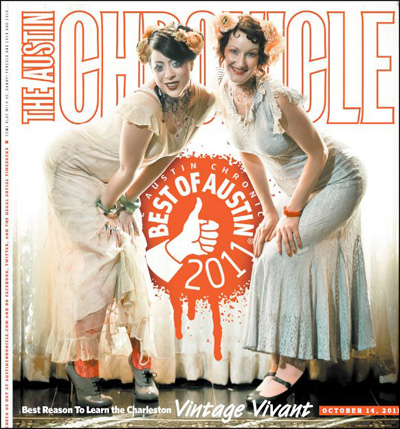
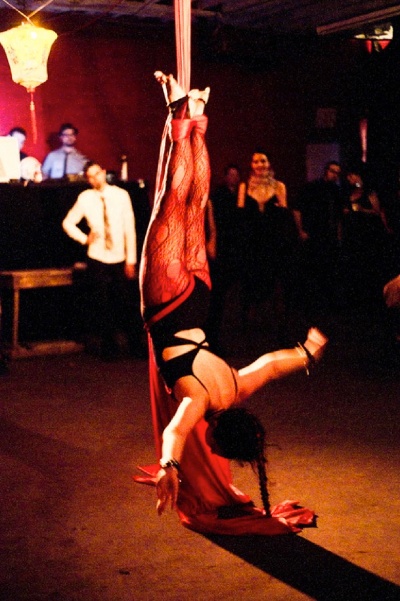
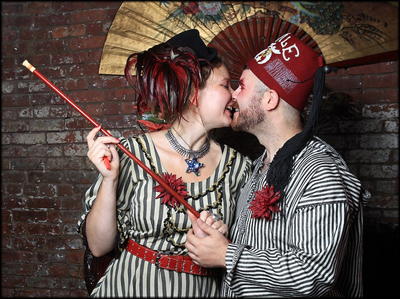
Vintage Vivant is a beautifully presented monthly celebration of Jazz Age culture in Austin, Texas. “A night for glamourous anachronists to dance, drink and delight at the bevy of 1920′s and 30′s themed entertainment. Join us on the last Sunday of each month as we celebrate with vintage cocktails, vintage or vintage-inspired attire and free dance lessons.”
VV regularly compiles 8Tracks mixes to get their attendees in the mood, pre-party. Here’s an addictive assortment of saucy 1920s/30s innuendo songs, presented for their Storyville Bordello party earlier this year:
Angeliskittenhead, who has written multiple pieces for Coilhouse (both in print and on the web) over the years, is also the co-creator of Gadjo Disko and Tranarchy! Amelia helms the Austin chapter of Dr. Sketchy’s Anti-Art School. Then there’s DJ Shorty Stump, and Westen Borghesi, who both spin musical selections from the 1920s and 30s.
Austinites, if you aren’t already, join them all at the Swan Dive on the last Sunday of each month to celebrate with vintage cocktails, vintage, or vintage-inspired attire. Plus, free dance lessons!
Congrats again, ladies.