Coilhouse Issue 06 is coming soon, but it’s not quite there yet. With more pages, more contributors, and more articles than any previous issue, it’s been quite a journey to put this one together. Thank you all – readers, friends, collaborators, and advertisers – for your patience. Because this issue is still deep in the production stage, we’d like to share our new Issue 06 advertisers here on the blog. Joining our existing family of small-business advertisers, these guys will appear on the pages of Issue 06. Check them out and support their wonderful creations. Here they are!
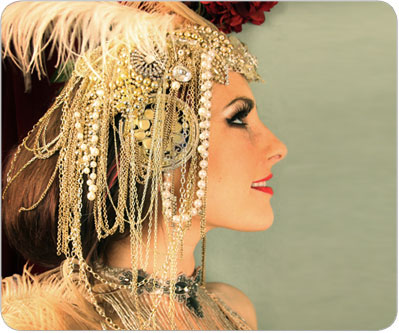
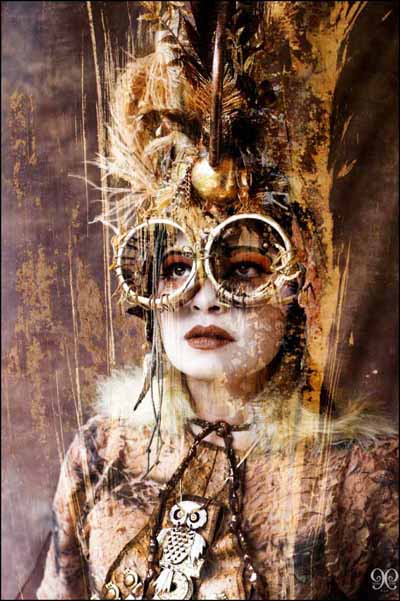
Medina Maitreya is a costume designer who crafts unique outfits and accessories by mixing new and vintage materials. Working a palette of vintage lace, beads, coins, feathers, silk, flowers and other “antique bling”, Medina constructs bespoke items inspired by everything from belly dance to circus arts to Erté. You may have seen some of Medina’s extravagant costumes sported by the Lucent Dossier Vaudeville Cirque, March Fourth Marching Band, Kami Liddle of the Bellydance Superstars, and Zoe Jakes of Beats Antique. You can see some of Medina’s creations on her blog, and many more on Facebook.
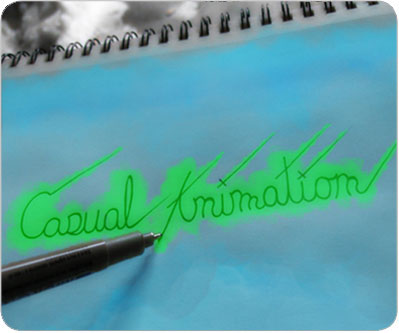
Casual Animation specializes in creating affordable custom animations based on your concepts. You supply the idea, pictures and audio: animator-for-hire Kenneth Sanders will create an original cartoon in your preferred file format (avi, mov, m3v, etc.) based on the assets that you provide. Collaborate on any concept your heart desires: experimental surreal shorts, character sketches, music videos. Plus, an optional DVD of your cartoon could be mailed to you. You also have the option of having your cartoon featured on the Casual Animation website.
Constance is a freelance artist, designer and photographer whose work and blog can be seen at i heart constance. Constance specializes in helping small business craft a unique identity. Recent clients include Blue Betta Media, Big Purple Tree, and Saucy Ladies. A full portfolio of Constance’s 2011 design work can be found here. Constance is available for any design task ranging from a complete brand/identity overhaul to custom type treatments, business cards, package development, logo design, information layout, posters, flyers and much more. She’s also available for photography assignments including commissions portraits, product shots (yum!), compositing and retouching. In her website manifesto, Constance writes, “I write to inspire you to push your creativity / I write to provoke your sense of adventure / I write to motivate you to dream big.”
Dr. Sketchy’s Anti-Art School is a worldwide alternative drawing movement in which art, booze, and burlesque collide. Every month, over 3,500 artists gather in nearly a hundred cities to sketch glamorous alt-culture models and compete in drawing contests in an atmosphere of creative mayhem. Artist, model and oft-Coilhouse collaborator Molly Crabapple (who’s about to embark on a Week in Hell) kicked off the first Dr. Sketchy’s event at a dive bar in 2005 as an antidote to the stiff, sterile life drawing classes she had posed for in the past. Local Dr. Sketchy’s branches are known for outrageous themed nights. At a recent Dr. Sketchy’s event in New York, for example, an elaborately-costumed Stoya and Jiz Lee acted out the story of Jack the Ripper while raising funds for a local sex workers’ rights campaign.

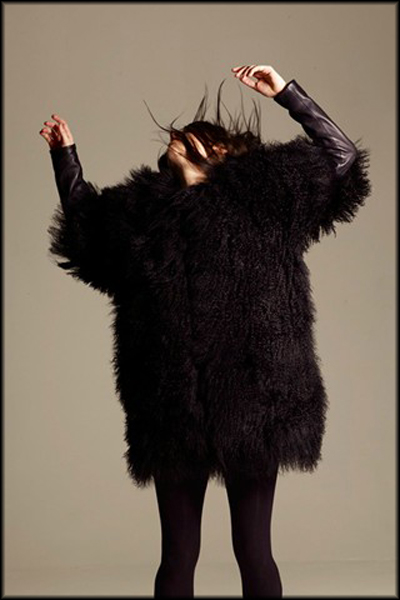
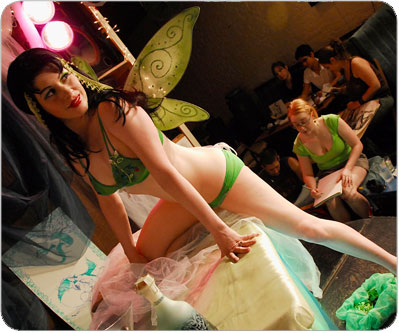
Ember Nomad a clothing company created by fashion designer Danica, and specializes in flowy, fun clothing “for travellers, dancers, and anyone who wants to feel a little bit of magic in their life.” The image above is from Ember Nomad’s 2010 Aphrodisia fashion show; more images can be seen here. Check Ember Nomad’s Facebook Page and Etsy Store for new items. Stripey bloomers, ruffled boleros, leather harnesses, hooded tank tops, and more! The cleavage-enhancing circus vest is hot.
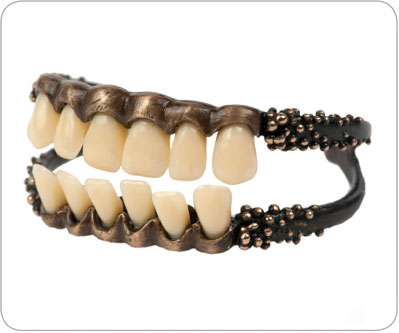
Previously featured on Coilhouse, the Gilding Primal Instinct jewelry line by artist
Danielle Nicole Hills features large theatrical pieces intended to transform the wearer into characters inspired by archetypes of human behavior. The jewelry line is at once elegant, theatrical and violent.
Dental cuffs, blood-filled
medical sample necklaces (or
gold-filled ones!), wearable metallic claw
predator rings, a majestic
antler headdresses, a tooth-adorned
surgical mask, and other ferocious adornments can be found on the
Gilding Primal Instinct site. The materials list for each item is fascinating: for example, the
surgical apron is made out of “copper, bronze, latex resin, taxidermy chick fetuses, 22k gold leaf, and blood.”
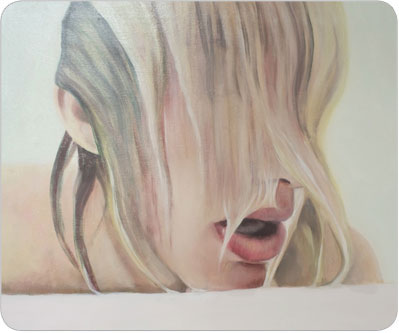
The Pornographic Portrait Project is a series of paintings by artist Molly Peck depicting the intimate orgasmic experience in a lush large-scale format. The current series includes several vibrant portraits of people in the throes of passion, and Molly needs your help to grow the project. “Shortly after embracing the idea of this project,” writes Molly, “I realized that it would be difficult for me to capture source images/photo references myself, which is where the collaborative or subject-submission angle came from. I am asking you to send me an image of the moment you ‘let go’, from which I will create a painting (if it inspires one).” The initial concept for the series focused on people’s faces, but has expanded to include “a more broad representation of release, as the individual sees it or defines it (but sticking in the sexual/erotic arena).” Molly welcomes submissions: check the FAQ for more info!
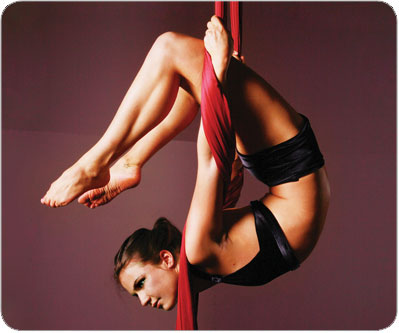
Night Flight is an aerial performance and training company based out of Portland, Orgeon. Founded by performers Gemma Adams and Stephanie Lopes, Night Flight performances combine breathtaking aerial artistry and playful storytelling. The Night Flight Aerial Art Studio offers 8-week intensive series classes, drop-ins, and private lessons focusing for aerial arts silks (tissu), static trapeze, hoop (lyra), rope (corde lisse), sling and straps, as well as strength and flexibility training. The next batch of classes starts up in July; check the class schedule for details. Those of you who don’t live in Portland should still check out this breathtakingly sensuous performance by Night Flight on silks and duo hoop, as well as this gorgeous Flickr photo set featuring Night Flight performers shot by Christopher Perez.
Opir is a politically-charged industrial music project by New York-based artists Spencer Thomas and Vivienne Gucwa. Opir’s first album – America: 25 Years in Review (1983-2008) – is a thoughtful reflection on America’s politics from the rise of Reagan to present day. Opir’s polished, caustic soundscapes, rhythmic textures, distorted samples, and dark ambient industrial beats recall Frontline Assembly, Hocico, Mentallo & the Fixer, and Muslimgauze. Beneath the visceral, corrosive auditory assault and dancefloor appeal of each track lies a richly-contextualized political message. Opir’s website provides a breakdown of song lyrics for the first three tracks, referencing economic theorists, social policies, historical events and legislations to help break down each song’s meaning. You can hear three song samples on Soundcloud, and you can get the album on iTunes or on Amazon.

The Idirlion Project is a fusing of chaos magick / sigilization with old school shamanism, all filtered through a future tech approach to altering reality. Readers who enjoyed our Grant Morrison interview in Issue 04 (as well as our articles on Jodorowsky, Larkin Grimm, Kenneth Grant, and other mystics throughout time) will appreciate the services that the Idirlion Project has to offer. Drawing on both Irish and Peruvial traditions, Idirlion will aid the client in the creation, casting and charging of a sigil. “The catchy tagline that we use on the site is ‘Shamanic Sigilzation For A Better Tomorrow.’ Kind of adds a nice silver age, Bradbury-esque touch to what can often be serious work.” Last month, the founders of the Idirlion Project helped launch the Starseed Institute For Shamanic Studies, an intensive four-weekend training program that explores the four aspects of the shamanic medicine wheel.
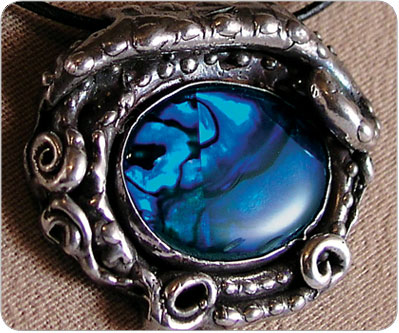
Jewels by Mouse, created by Valerie Fordham (Mouse) and Jon Boisseau, offers unique handmade jewelry and jewelry boxes. Mouse describes her jewelry as “sparkly, tactile, beautiful, and peculiar.” Tentacles, mixed metal and rivets, unusually shaped stones, spiraling organic forms, iridescent glass beads, cast bones, and “textures that want to be touched.” Mouse only uses sterling or fine silver, never plate, and the copper and brass in her jewelry are backed by sterling. Check out the onyx spiral earrings, Midsummer Vines necklace, copper keyhole bracelet, and spiral dragonfly pin.

Retro-a-Go-Go sells accessories, jewelry and home décoror inspired by the 50s and beyond: hot rods, rockabilly, Irving Klaw, kustom kulture, psychobilly, robots, zombies, monsters, tattoos and pop art. Exclusive lines include Bettie Page, Buck Rodgers, Hot Rod Deluxe, Ken the Flattop, and Mitch O’Connell. There are flasks, bill boxes, parasols, cigarette cases, belt buckles, and lots of retro tees for guys and dolls featuring everything from pin-up starlets to pulp horror novels.
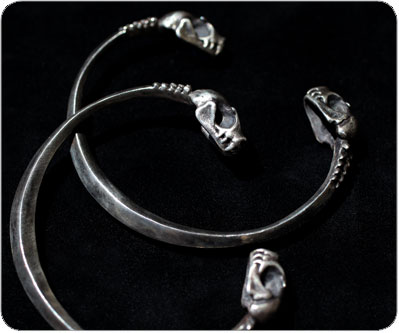
Previously featured on Coilhouse, Miyu Decay is the new jewelry venture by artist Stephanie Inagaki. Since we last covered Miyu Decay, the shop has grown significantly. Whereas previously, some of the jewelry was only available in sterling silver, there are now pewter versions for those of us on a budget. For example, this gorgeous bat skull necklace for $350 is now available in pewter for $50. Other new creations in the Miyu Decay shop include an asymmetrical feather and lace collar, the Scottish tribal queen headdress, and the black chain skull bracelet.
All these companies, along with many of the advertisers we’ve blogged about previously, will appear in our upcoming Issue 06. Stay tuned for more updates!